Blog

  • Why Tree Care Service Providers Matter

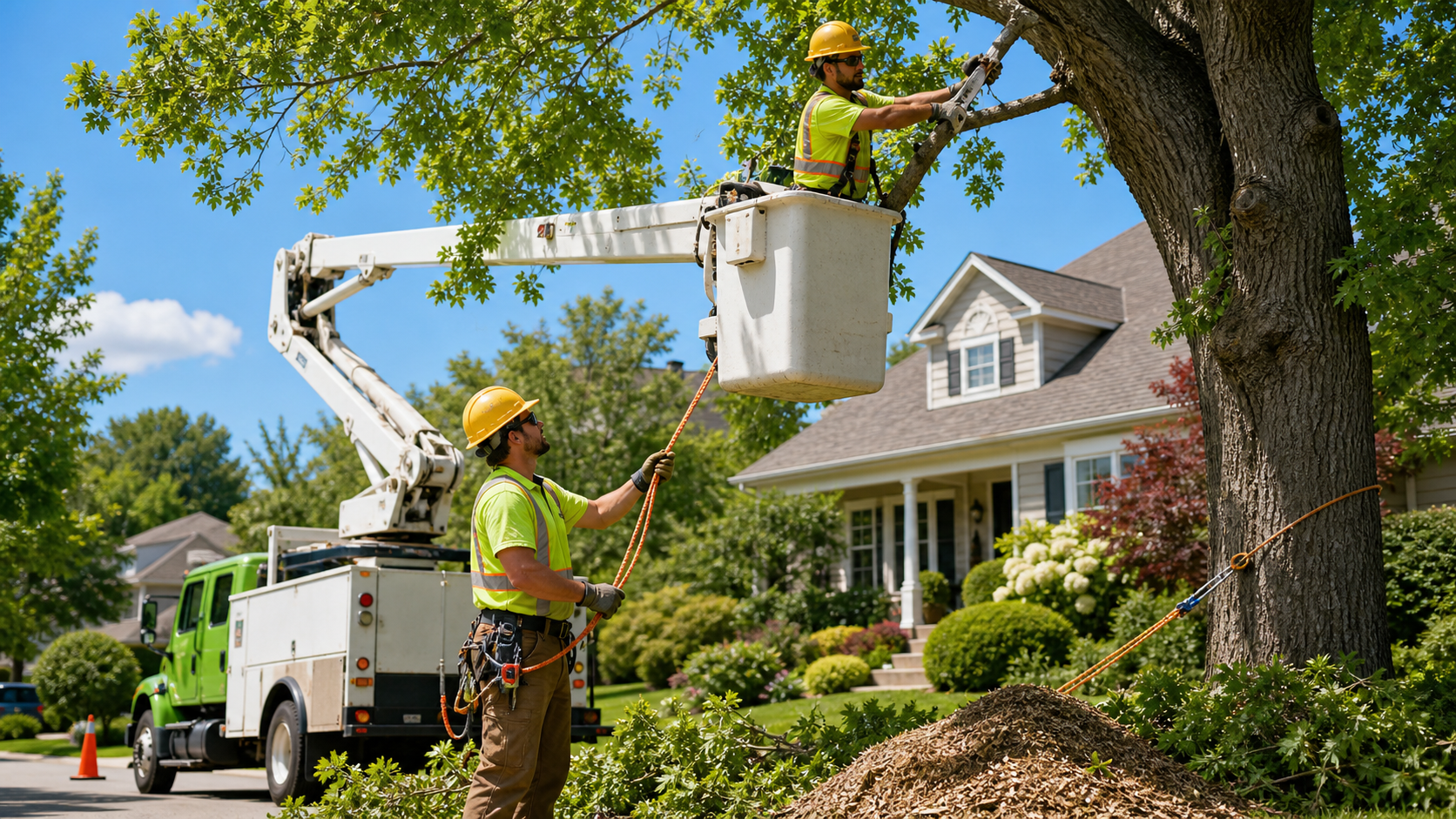
    Why Tree Care Service Providers Matter

    As spring slides into early summer in Sioux City, our trees start to pick up speed. New growth can seem like it appears overnight, and with it comes the need to watch for things that might get out of hand. Limbs stretch too far, roots press harder into the soil, and older trees might not keep up like they used to.

    This is the time of year when finding the right tree care service provider matters most. Trees don’t just add beauty to a yard, they shape how safe, usable, and healthy that space stays as the season heats up. When care happens at the right time, growth comes in strong and steady. Skipping that care brings bigger problems later, from falling limbs to full removals.

    We see how proper care right now can make summer easier. When trees get help during this active season, they use their energy where it counts. That kind of support is what keeps yards looking good and staying safe for the rest of the year.

    What Professional Tree Care Looks Like

    Good tree care isn’t just someone trimming a few branches. It’s hands-on attention that responds to what each tree is actually doing. Every tree needs something different this time of year, which is why a trained eye makes such a difference.

    • Inspections catch the small signs of damage or decay. We check limbs that may have cracked during storms or roots that shifted in the soggy spring soil.
    • Pruning and trimming get done with the tree’s health in mind. We shape with purpose, not just for looks but to guide how the tree grows.
    • Removals happen only when needed. If something’s leaning too far or showing deep rot, taking it out carefully is safer than waiting.

    We stay patient and focused, working with what the tree shows us. Doing too much or too little can stress a tree, and most damage doesn’t fix itself. Paying attention now saves effort down the road.

    Spring-to-Summer Care Needs in Sioux City

    Sioux City weather changes fast. One week it’s mild and breezy, the next we’re watching for strong winds and sudden storms. And during these late spring weeks, trees push out a lot at once, more leaves, taller branches, broader canopies.

    • Growth happens fast, and trees can lose balance. Limbs grow longer than they should or shift weight to one side without visible warning.
    • Storms mean business. Heavy rain and wind put stress on any tree with weak spots. If limbs aren’t trimmed, damage spreads.
    • Summer heat sets in quickly, and trees need to be ready. Preparing now gives them a better shot during the hottest stretch of the year.

    This window matters. A tree care service provider familiar with Sioux City timing knows how to spot what’s coming and help trees brace for it. Getting ahead of these growing pains means fewer late-season surprises.

    Sioux City Tree Co. delivers seasonal inspections, branch trimming, storm cleanup, and hazard removal performed by insured experts who understand the demands of Midwest summers.

    How Tree Experts Keep Your Yard Safer

    Safety isn’t just about big falling branches, though that’s part of it. It’s about the quieter risks too, the ones people don’t always see when walking through the yard.

    • High branches can lean into gutters, scrape rooftops, or grow close to wires. Cleaning those up early keeps people and homes safe.
    • Roots tell a story. Sinking soil, cracks near the base, or leaning trunks all mean something changed underneath.
    • Illness spreads fast in a yard. Fungus, boring insects, or curled leaves often show up on one tree first. Spotting trouble early stops it from spreading to everything else.

    These issues don’t always wave big warning flags. Sometimes it’s a slight shift, a branch holding more weight, or a patch of bark that looks different than it did last week. Looking closely helps catch the things that turn serious.

    What Makes a Tree Care Provider Worth Calling

    All yards have different trees, but what makes someone good at helping them stays pretty steady. We don’t just look at the job, we look at the trees, the property, and the season they’re growing in.

    • We know the trees that grow around Sioux City and how they respond through spring and summer. Timing really matters when more growth shows up every day.
    • The right tools aren’t just about reaching the top branch, they’re about safety. Ropes, saws, and proper gear make the work faster and safer.
    • Long-term thinking drives the choices we make. We don’t shape for now, we shape for how that tree will grow wider, taller, or closer to nearby things months from now.

    A tree care service provider who knows what to watch for can make a big difference. When someone’s used to Sioux City’s weather patterns and typical tree issues, they’re quicker to spot things others might miss.

    Our experience with local tree species, safe removal methods, and seasonal yard care means we’re equipped for both urgent needs and regular maintenance in every corner of Sioux City.

    Why It Pays to Care Now, Not Later

    Waiting until trees cause problems never goes the way people hope. We’ve seen that first summer storm bring down branches that could’ve been trimmed two weeks earlier. Or roots that shift just enough to crack a section of sidewalk no one expected. Acting ahead of the weather saves time, money, and cleanup.

    • Early care means fewer big fixes later. Trees don’t repair like people do. Catching weaknesses early keeps issues small.
    • Summer heat wears trees down. If they’re already stressed from spring growth, they won’t bounce back fast.
    • Getting a steady eye on your yard now builds peace of mind. There’s less guessing, fewer surprises, and a lot fewer fallen limbs later on.

    Keeping a yard healthy and strong takes effort, but the right work at the right time makes all the difference. We see it every year, trees that start strong don’t need emergency help later. They just keep growing, the way they should.

    Overgrown or stressed trees can quickly turn into bigger issues like broken branches, leaning trunks, or cracked sidewalks, especially with the unpredictable Sioux City weather. With years of experience nurturing the local landscape, we understand exactly what your trees need in every season. When you need a reliable tree care service provider, Sioux City Tree Co. is here to help. Give your trees the expert attention they deserve before summer arrives.
  • Planning for Tree Limb Removal Safely

    Planning for Tree Limb Removal Safely

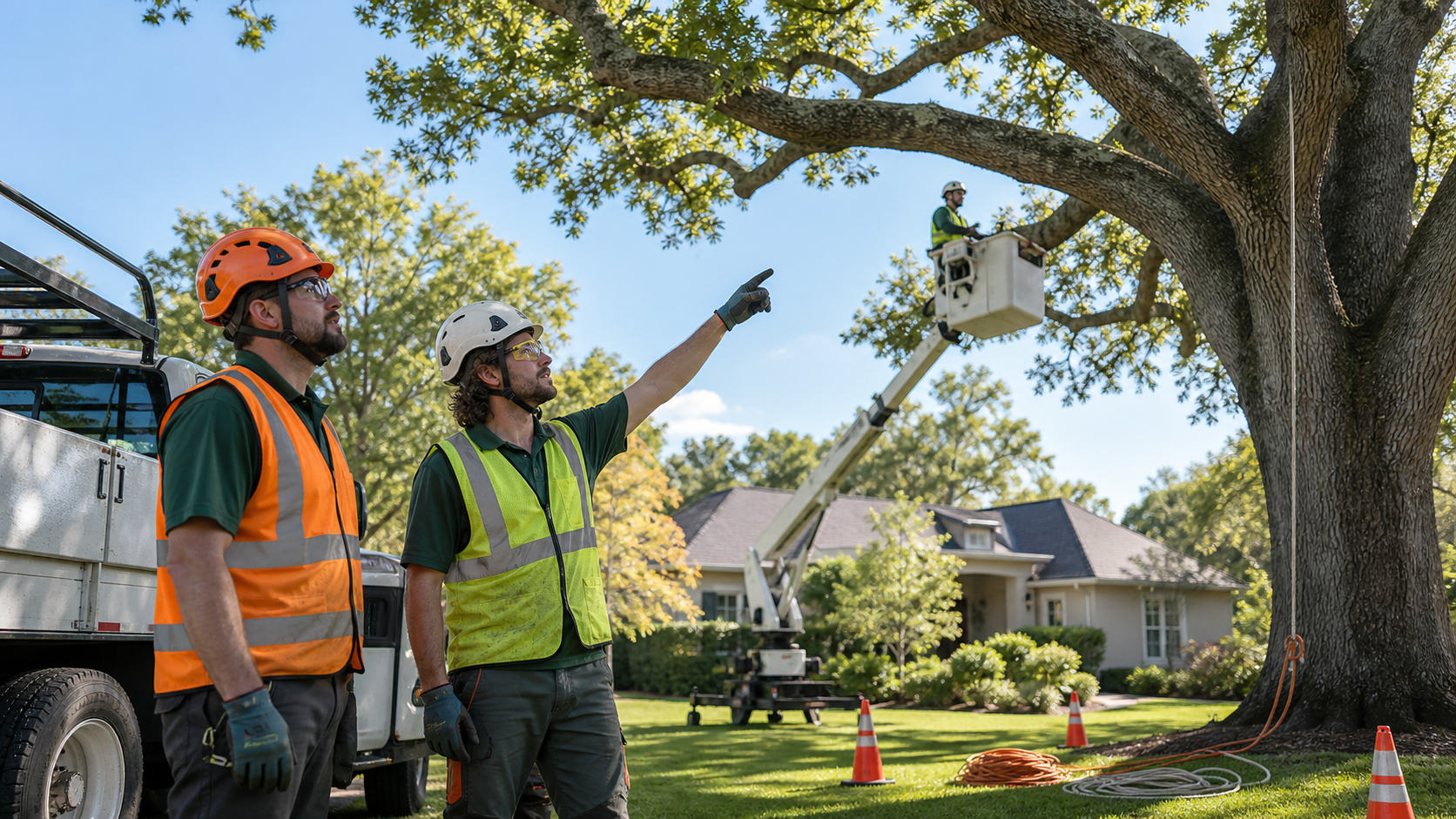
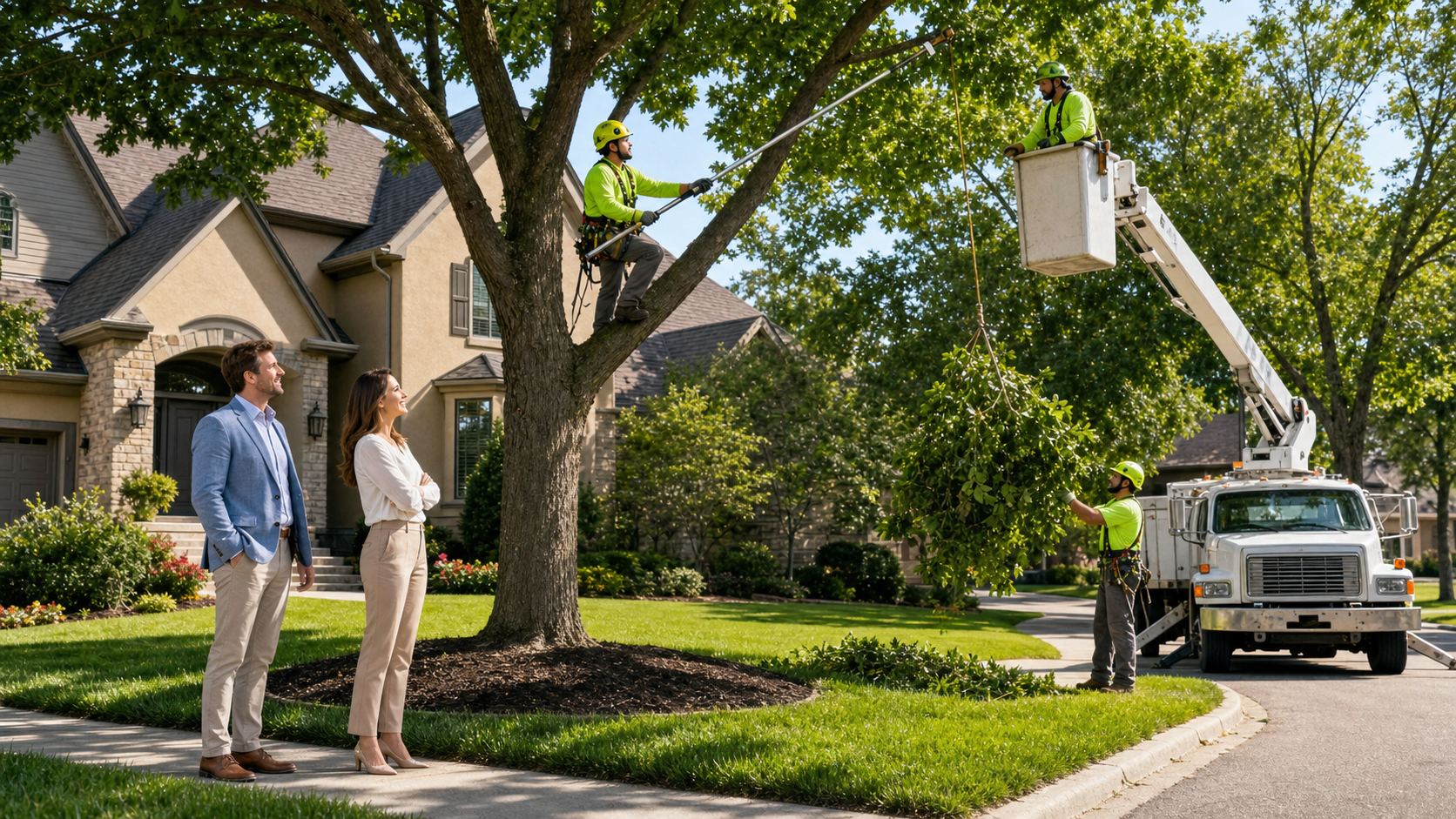
    Early spring in Sioux City marks the return of outdoor yard work for many homeowners. As snow melts and temperatures rise, we finally get a good look at what winter left behind. Some trees bounce back easily, but others show signs of damage and need some help. One of the more important tasks at this time of year is checking for broken or weakened branches that could become safety hazards. Planning ahead for safe and timely tree limb removal is a smart way to protect people, property, and the overall health of your trees.

    Winter freeze-thaw cycles often leave cracks or stress points on limbs that aren’t visible right away. When the wind kicks up or the next big storm rolls through, those hidden signs of damage can turn into real risks. So before leaves fill out and greenery hides the problem, it’s a good time to focus on what needs to go and how to do it safely.

    Understanding Why Limb Removal Matters

    Not every branch lasts forever. Over time, limbs grow heavy, get damaged, or start leaning in directions that put stress on the tree. If we leave a weakened or dead limb alone, it might fall during a storm or even on a calm day with no warning at all. That kind of fall can injure people, damage roofs or fences, or leave a tree more vulnerable to insects and decay.

    Strong tree structure comes from balanced growth. Removing select limbs helps:

    • Reduce strain on the trunk and nearby branches
    • Improve airflow and sunlight under the canopy
    • Prevent rubbing or crossing limbs from causing wounds over time

    Spring is a good season for this kind of work because branches are easier to see before trees are full of leaves. Cuts made now have time to start healing while the tree is waking up for the season.

    Knowing When a Tree Limb Should Be Removed

    Some problems are easy to spot, but others take a closer look. Here are a few signs that a limb might need to come down:

    • Cracks or splits in the wood
    • Branches hanging lower than normal or without full attachment
    • Limbs rubbing on siding, roofs, or gutters
    • Branches that press into power lines or lean toward windows

    Sometimes the signals are seasonal. If a tree went through a heavy snow load or strong winds, look for stress points left behind. Freeze-thaw weather in Sioux City often pushes water into small cracks, then expands it, which makes splits worse over time. If you’re unsure after a winter storm, that’s a good time to check or bring in help for a second opinion.

    How to Prepare Your Property Before Limb Work Begins

    Getting ready for limb removal doesn’t just help us work faster, it helps keep everyone safer once the cutting begins. Here’s what we recommend doing ahead of time:

    • Move furniture, toys, grills, or vehicles away from the area under and around the tree
    • Keep pets and small children indoors while work is active
    • Look for anything that may be caught or tangled in the canopy like clotheslines, wires, or seasonal decorations
    • Make sure there’s a clear pathway for ladders or equipment if needed

    If we’re removing large limbs or branches that hang near structures, having some extra space makes a big difference. It’s easier to work carefully when the ground around the tree is open and clear.

    Safety Risks of Doing It Yourself

    It’s one thing to clip a small branch with hand pruners. It’s another thing entirely to deal with heavy, high, or rotten limbs. That kind of work comes with risks most people don’t see coming.

    • Climbing ladders with tools is risky on uneven ground
    • Working near power lines adds electrical danger
    • A heavy limb cut the wrong way can fall and cause injuries or major damage
    • Poor cuts may tear bark or shock the tree enough to harm future growth

    Even standing below a limb while cutting it can lead to misjudged falls. And if a branch is under pressure, it may snap back unexpectedly once a cut is started. For larger jobs, experience and safety gear aren’t just helpful, they’re needed.

    Sioux City Tree Co. uses specialized equipment for safe limb removal at any height and offers licensed, insured service to ensure homeowner and property safety.

    What to Expect from a Professional Tree Limb Removal

    Safe limb removal follows a series of steps that focus on both the tree’s health and safety on the ground. The process usually begins with an inspection of structure and damage.

    • Crews look for weakness or decay that might affect how or where a limb breaks
    • Equipment like pole saws, ropes, or lifts are used to access the limb without putting pressure on good parts of the tree
    • Cuts are made in a way that avoids tearing, usually with smaller lower cuts first to reduce weight stress
    • Once the limb is grounded, cleanup follows, often with trimming done on the remaining limbs to balance shape

    Proper tree care isn’t just about what comes down. It’s about what’s left behind. A well-handled removal leaves the tree in better shape and reduces future trouble.

    Our crew’s advanced climbing techniques, property protection methods, and experience with storm-damaged limbs mean each job is done with maximum safety and care.

    Keeping Your Trees Strong Through Spring and Beyond

    Planning tree limb removal early allows us to shape strong trees that are safer and better-looking through spring, summer, and even fall. When we manage the heavy stuff before full growth sets in, it gives the tree time to recover and adjust its energy where it’s needed most.

    As Sioux City moves deeper into spring, the storms and winds that come later in the season aren’t far off. Getting ahead of the problems now can prevent the need for emergency fixes down the line. It’s all part of setting up your yard for success this year.

    After a long Sioux City winter, branches that look damaged or unsafe can pose risks to your yard and property. Taking care of the right limbs early helps keep your trees healthy and your outdoor space safe. Sioux City Tree Co. offers safe and professional tree limb removal no matter how challenging the job may be. We’re here to make sure your trees stay strong, so contact us today to schedule your service.

    Frequently Asked Questions

    Why is early spring a good time for tree limb removal in Sioux City?

    Early spring makes it easier to spot broken or weakened limbs before leaves fill in and hide damage. Removing problem branches now can reduce the chance of a sudden fall during spring winds and storms. It also gives the tree time to begin healing as it starts growing for the season.

    How can I tell if a tree limb needs to be removed after winter?

    Look for cracks, splits, hanging limbs, or branches that seem loosely attached or are sagging lower than normal. Limbs rubbing against roofs, siding, gutters, or pressing into power lines are also strong warning signs. After heavy snow or strong wind, hidden damage can worsen as freeze thaw cycles expand small cracks.

    What is the difference between pruning and tree limb removal?

    Pruning usually means trimming smaller branches to shape the tree, improve airflow, and support healthy growth. Tree limb removal focuses on taking down larger, damaged, dead, or hazardous limbs that could fall or cause property damage. Limb removal often requires more planning because of weight, height, and where the limb could land.

    How do I prepare my yard before a tree limb removal service arrives?

    Move vehicles, patio furniture, grills, toys, and other items away from the area under the tree. Keep pets and children indoors during the work, and clear a safe path for ladders or equipment. Check for things in the canopy like clotheslines, wires, or decorations that could get caught.

    Is it safe to remove large tree limbs myself, or should I hire a professional?

    Small, low branches can be manageable with basic tools, but large or high limbs can be dangerous. Cutting near power lines, using ladders on uneven ground, and dealing with heavy or rotten wood can lead to serious injury or property damage. A professional has the training and equipment to control where limbs fall and avoid tearing bark or harming the tree.

  • Hello world!

    Welcome to WordPress. This is your first post. Edit or delete it, then start writing!

  • What Tree Shaping in Sioux City Does for Home Value and Curb Appeal

    What Tree Shaping in Sioux City Does for Home Value and Curb Appeal

    Boosting Curb Appeal Before Buyers Even Step Inside

    Tree shaping in Sioux City has a big impact on what people think of your home before they even touch the front door. The view from the street sets the tone. When trees are neat, balanced, and healthy-looking, buyers see care, pride, and strong upkeep right away.

    Tree shaping is more than just cutting back branches. It is about giving each tree a clean structure that fits your house and yard. A good shape brings balance, keeps the yard from feeling crowded, and creates a smooth look from the sidewalk to the front step. Trees start to feel like part of the design, not just something that happens to be there.

    When your trees frame your home the right way, you get several benefits at once. You can see a higher perceived home value, healthier and safer trees, better light and shade in every season, and stronger listing photos when it is time to sell in spring or summer. All of that starts with a clear plan for how your trees should look and grow over time.

    How Tree Shaping Influences Home Value

    Well-shaped trees work like a picture frame around your home. They draw the eye to the front door, porch, roofline, and windows. When branches are lifted and balanced, the house looks more open, cleaner, and even a bit larger from the street.

    On the other hand, overgrown limbs can do the opposite. Common problems we see include:

    • Heavy branches blocking windows or natural light
    • Limbs hanging low over the roofline and gutters
    • Trees that hide key parts of the front of the house
    • Crowded growth that makes the yard feel small or cluttered

    These things can make buyers feel like the property is not well-maintained, even if the inside is spotless. They may also worry about future work they will have to do. Real estate agents often talk about the appeal of a move-in-ready home. When the landscape already looks tidy and shaped, buyers see fewer chores on their mental to-do list.

    That sense of “less work later” can support stronger first offers and smoother showings. A buyer who feels calm and welcomed while walking up the front path is more likely to notice the good features of the home, not the problems outside.

    Curb Appeal From the Street and in Listing Photos

    These days, many buyers start forming opinions from listing photos long before they see the home in person. Trees play a big role in how those photos look. A well-shaped tree can be a natural focal point that leads the eye toward the front entry, walkways, and standout features like a porch or bay window.

    Spring and early summer in Sioux City are popular times for fresh photos and open houses. A recent shaping can:

    • Create clean, defined canopies around the front yard
    • Open up views of the front door and windows
    • Let more soft light reach the siding and roof
    • Remove distracting branches that clutter photos

    From the street, lifted lower branches along the sidewalk keep the view open and friendly. A balanced tree on each side of the yard can frame the property like bookends, instead of hiding it. The result is better drive-by appeal and stronger digital curb appeal on screens.

    Even small adjustments make a difference. Trimming back limbs that cross the walkway, giving extra space near the driveway, and keeping branches off the mailbox area all help buyers feel like this is a home that is cared for and easy to use.

    Safety, Light, and Comfort That Buyers Notice

    Buyers are not only thinking about looks. They also notice safety and comfort as they walk around the yard. Tree shaping affects all three.

    Strategic shaping can reduce obvious risks, such as:

    • Heavy limbs hanging over the roof or garage
    • Branches that lean over power lines or driveways
    • Deadwood that could fall during a storm

    These issues can raise questions about storm damage and possible insurance trouble. When trees look structurally sound and neatly shaped, buyers feel more at ease.

    Light is another big piece. Thinning crowded canopies lets more natural light reach windows, lawns, and gardens. Inside, rooms feel brighter. Outside, grass has a better chance to grow, and gardens can thrive. Shaped trees can give you the best of both worlds: shade where you want it, and sunshine where you need it.

    Comfort in the yard is a big selling point too. Many buyers want:

    • Shaded patios that stay cool on hot days
    • Clear sight lines to watch kids and pets play
    • Open, safe paths from driveway to door

    Good tree shaping guides how shade falls over the yard so outdoor spaces work better from spring through fall.

    Professional Tree Shaping in Sioux City vs. DIY Attempts

    It can be tempting to grab a saw and start cutting, but there is a big difference between basic trimming and careful, long-term tree shaping in Sioux City. Professional shaping is based on how each species grows, how branches hold weight, and how the tree will look and behave years from now.

    DIY pruning often leads to common problems, including:

    • Topping, which leaves harsh stubs and weak regrowth
    • Cutting in the wrong spots, leaving trees open to stress
    • Unbalanced canopies that lean or look lopsided
    • Over thinning that makes trees look bare or odd

    These mistakes can hurt curb appeal, shorten the life of the tree, and create safety issues down the road. Trained crews use proper equipment, safe climbing methods, and pruning cuts that support both health and appearance. The goal is not just to fix a problem today, but to guide the way the tree grows over many seasons.

    When shaping is planned out, each visit builds on the last. Branches are trained away from the house, walkways stay open, and the overall look of the yard stays consistent and clean.

    Seasonal Timing Tips for Maximum Impact

    Timing matters for how your trees respond and how your home looks when it hits the market. In our area, late winter is often a smart time for bigger structural work, because trees are bare and it is easier to see the branch framework. Early spring can be good for lighter aesthetic shaping that sets the stage for fresh growth and green leaves.

    Many homeowners find it helpful to plan a shaping visit a month or so before listing a home. That window gives time for:

    • Small pruning cuts to seal over
    • Lawns to green up under improved light
    • Trees to relax into a more natural look
    • Debris and sawdust to clear from beds and hardscapes

    For homes that will be lived in for years, a regular cycle of maintenance every year or two keeps trees in scale with the house. Walkways stay open, driveway lines remain clear, and branches stay where they should be, not rubbing on roofs or blocking views.

    Storm season is another key moment. Before strong summer winds and thunderstorms, it makes sense to remove weak limbs and tighten up structure so trees hold up better and buyers feel more confident in the property.

    Transform Your Trees and Elevate Your Home’s Look

    A simple way to start is to walk out to the curb, turn around, and look at your home the way a buyer would. Ask yourself a few quick questions. Are trees framing the front door or hiding it? Do branches block windows, paths, or the best features of the house? Could a little lifting or thinning make the yard feel more open and welcoming?

    From there, it helps to get a professional set of eyes on the property. At Sioux City Tree Co., we spend our days shaping trees around local homes, so we know how to balance appearance, safety, and long-term health. With a clear plan, tree shaping in Sioux City can turn your trees from background clutter into one of your strongest curb appeal assets, adding daily enjoyment now and a stronger position if you decide to sell later.

    Transform Your Trees Into Long-Lasting Assets

    If you are ready to give your landscape a cleaner look and healthier trees, we are here to help. Whether you need expert tree shaping in Sioux City or guidance on long term care, Sioux City Tree Co. can tailor a plan to your property. Our team will walk you through your options, answer questions, and schedule work at a time that fits your schedule. If you would like to talk through your project or request an estimate, contact us today.

  • How To Prep Your Trees For Spring In Sioux City

    How To Prep Your Trees For Spring In Sioux City

    Late winter is one of the best times to start preparing your trees for the season ahead. In Sioux City, the last rounds of snow and frozen ground can leave behind stress that trees have to recover from. And with spring just around the corner, it’s a good time to step outside and take a closer look.

    Good tree care in Sioux City starts early. When we wait too long, fast-warming weather can bring problems quicker than expected. Trees that were damaged by ice or stressed by deep cold need attention before they shift into growth mode. A few simple steps now can save a lot of yard headaches later and help trees get the healthy start they need.

    Check for Winter Damage

    The first thing we like to do in early March is walk the yard and check for damage from winter storms. Ice buildup, heavy snow, and extreme cold can hit trees hard, especially younger ones.

    • Look for broken or hanging branches and trim if possible
    • Check the trunk for any cracks or splits in the bark
    • Spot any trees that are suddenly leaning or uprooted
    • Remove snow piled at the base to keep it from freezing roots

    Damaged limbs left in place can split more as the tree grows. Cracked bark can allow pests or disease to get inside. And soggy snow near the soil line can rot shallow roots if it sticks around too long. Getting ahead now means fewer surprises later. Checking after each cold snap can help you catch new issues and act fast to protect your trees as the season changes.

    Prune Dead or Weak Branches

    Before new buds form, pruning is easier and less stressful on the tree. Late winter is a calm, resting period for most trees. That makes it a strong time for cleanup cuts.

    • Trim back dead and broken branches while it’s still cold
    • Cut out limbs that rub or cross one another
    • Take extra care on young trees where shape matters long-term
    • Avoid topping or heavy pruning during this stage

    We never recommend topping trees or removing large limbs without the right tools and know-how. If the branches are too high or thick, it’s worth getting help. Good pruning helps control shape, stops disease from spreading, and encourages stronger growth once spring arrives. By removing weak spots now, you also prevent those limbs from falling in windy April weather or when heavy rains start. Whether your tree is young or mature, careful pruning sets the stage for a strong structure as growth returns.

    Sioux City Tree Co. provides expert pruning and storm damage cleanup with a safety-first approach that ensures proper development and recovery for all tree types.

    Rake and Clear Around the Base

    Once snow starts melting, yard debris becomes easier to see. That includes leaves pressed flat over the winter and any mulch that’s gotten packed down.

    • Clear away dead leaves, twigs, and leftover fruit from the fall
    • Make room at the base of trunks so bark stays clean and dry
    • Break up clumps of old mulch that sit too close to the trunk
    • Wait to add fresh mulch until the soil thaws fully

    Mulch that’s too thick, too early, or right up against the trunk can trap moisture where it’s not wanted. This creates a welcome spot for mold and some insects. Giving the soil a breath of fresh air before mulching again helps the roots settle as they wake up. Light raking also loosens compacted earth and lets new rainwater reach the tree’s feeder roots, which are just beginning to come alive under the surface. If you spot weeds or grass clumping near the trunk, clear them away so nothing competes with your trees as they start their spring growth.

    Check Soil Conditions and Water When Needed

    As the topsoil begins to soften, roots slowly start drawing in moisture again. Snowmelt usually helps, but some areas may stay dry depending on slopes and sun exposure.

    • Test the soil a few inches down with a gloved hand or trowel
    • If the soil is bone dry and crumbly, it might be time to water
    • If the soil is overly wet and puddling, that could be a drainage issue

    It doesn’t take much water to make a difference. But we’re careful not to soak frozen areas or water in cold snaps. Checking now helps spot trees that may have trouble holding moisture once growth kicks in. Tree roots need the right mix of water and air to stay healthy through the season ahead. Slowly adjusting your watering routine based on each area of the yard can prevent root suffocation or dry-out, creating a more even and reliable start for every tree. When rain is coming, monitor for pooled water and check if gutter runoff is steering too much moisture into the same space near trunks.

    Plan Ahead for Pest Watch and Fertilization

    With warmer weather on the way, now is when we start thinking about what’s next. Pests start to wake up when soil temps rise, and trees begin taking in nutrients again once their roots fully thaw.

    • Watch for early signs of insect damage like bore holes or sawdust
    • Mark trees that struggled last year and may need fertilizer support
    • Take notes on any missed fall tasks to add to your spring checklist

    Fertilizing too early isn’t always helpful, especially when the ground is still firm with frost. But planning for it helps make the timing right later on. Identifying bugs early helps stop damage before leaves and flowers appear. Keeping a list of what each tree might need is a good habit as the season unfolds. Try to schedule a check-in for each tree just before bud-break, watching for small pests or discolored bark that weren’t visible earlier. When you know which trees were slow starters last year, it makes it easier to match the right fertilizer or care as soon as growth begins.

    Our team uses professional equipment and local expertise to diagnose pest threats and recommend the right care for healthier, more resilient trees through every Midwest season.

    Give Your Trees a Strong Start

    Getting trees ready for spring doesn’t take much time, but it does take some care and timing. When we trim weak limbs, rake clear the base, and help roots settle in dry or soggy spots, we put the tree in a better position for spring growth.

    Most of us live with the trees we have for years, so paying attention now brings long-term gains. Starting with healthy trunks, stable roots, and cleared-out soil gives trees in Sioux City the best shot to leaf out strong and full this spring. Spring brings enough to stay busy, fixing winter’s effects early on makes that stretch smoother for everyone.

    Noticing damaged limbs, dry soil, or bark cracks as winter ends can be an early sign your trees need attention before spring arrives. We understand the importance of strong roots and healthy growth zones for your landscape’s success. For expert pruning, soil assessments, or reliable advice on tree care in Sioux City, Sioux City Tree Co. is ready to help. Call us today to schedule your service.

    Frequently Asked Questions

    When should I start prepping my trees for spring in Sioux City?

    Late winter, often in early March, is a great time to start because trees are still dormant and easier to inspect. Addressing issues before warm weather arrives helps prevent small problems from turning into bigger spring damage.

    How do I check my trees for winter damage after snow and ice?

    Walk your yard and look for broken or hanging branches, cracks or splits in the trunk, and any trees that are leaning. Clear heavy snow piled at the base so it does not sit and freeze around shallow roots.

    What is the best way to prune trees before spring buds form?

    Trim dead, broken, and weak branches while the tree is still in its resting period, and remove limbs that rub or cross each other. Avoid topping or removing large limbs without the right tools, since improper cuts can harm the tree.

    What is the difference between topping a tree and proper pruning?

    Topping removes large sections of the canopy and can stress the tree and lead to weak regrowth. Proper pruning focuses on removing dead or problem branches with clean cuts to improve structure and reduce future breakage.

    How can I tell if my tree needs water in late winter or early spring?

    Check the soil a few inches down with a gloved hand or trowel. If it is dry and crumbly, a light watering may help, but if the ground is overly wet or puddling, the issue may be drainage rather than lack of water.

  • The Importance of Periodic Tree Care Services

    The Importance of Periodic Tree Care Services

    Late winter can be a tricky time for trees. Weather shifts, leftover snow, and frozen ground all make it hard to tell what’s going on inside your yard. This is right when we should be paying more attention, especially here in Sioux City. Branches have been through freezing winds, heavy snow, and dropping temperatures for months, and now they’re about to start waking up again. At this point, we need to look at how tree care services can help keep things steady before spring growth takes off.

    Trees don’t always let us know when something’s wrong. A branch may look fine until the wind picks up or the leaves come back, and at that point, you’re dealing with cleanup instead of prevention. This is why keeping a regular care routine is a smarter way to care for your property by catching small problems before they turn big.

    Signs Your Trees Need Scheduled Attention

    You don’t need to be an expert to spot when a tree looks off. After a long winter, some of the most common signs show up right in front of us if we know where to look.

    • Cracked limbs, bent branches, or jagged points where a section broke and never fell
    • Leaning trunks that weren’t tilted last fall can mean something shifted under the surface
    • Discolored bark or bark that’s peeled away from the trunk can show stress or decay

    Trees are quiet changers. That’s part of what makes them dependable and what makes them hard to read. Often, damage doesn’t show clearly until temperatures rise. When that happens, you might see limbs that never fill out, heavy branches that don’t spring back, or spots where rot sets in.

    Catching these signs before the spring growth starts means you have a better shot at getting ahead of them. It’s easier to shape back a branch now than later when the tree’s already putting energy into it. It’s much better to remove weak limbs before new buds make the tree heavier and harder to manage.

    What Regular Tree Work Looks Like

    Periodic care is more than a quick snip. It’s a full walk-through of each tree’s shape, structure, and surroundings so we know what to touch, what to leave, and when to circle back.

    • Trimming and thinning out crowded limbs that rub or cross
    • Shaping to guide growth and keep trees balanced for high winds
    • Checking the trunk and root zone for signs of disease or shifting
    • Cleaning out storm debris that can weigh down low branches or block water flow

    Every tree operates on its own pace. Some bloom early and push out new growth quickly, while others take their time. A mature oak needs different attention than a newly planted maple. That’s why regular work pays off. It keeps each tree on track without putting stress on it all at once.

    As March starts, timing gets more important. Some trees may need trimming right away to prep for strong spring growth, while others might only need a light cleanup. Getting a feel for this rhythm helps trees stay strong through spring storms and solid through summer heat.

    Sioux City Tree Co. offers scheduled pruning, hazardous limb removal, and health checks that adapt to the seasonal needs of each tree species in Sioux City.

    How Spring Conditions Impact Trees in Sioux City

    Sioux City has a rhythm that trees adjust to, too. Heavy snow doesn’t always melt away in neat lines. It can pool at the base of trees, soak the soil, or freeze again overnight. Then we get sudden gusts in early March that test everything left standing from winter.

    • Wet roots from snowmelt can make trees loosen or lean
    • Strong winds in March often bring down limbs weakened back in January
    • Frozen ground that’s just starting to thaw can make heavy equipment harder to move

    That’s why mid-to-late March becomes the window when smart trimming and cleanup matter most. We want to catch cracked limbs before leaves weigh them down. We want to shape trees while they’re still waking up, not stuck in full growth. We want to move around the yard before the soil softens so much that truck tires or ladders leave deep marks.

    This short season of cooler days and longer light gives us the chance to clean up, prep, and plan without putting pressure on trees that are just getting their energy back.

    Our team uses specialized tools and practices safe, weather-aware approaches for tree care in winter and early spring, as highlighted on our service page.

    Choosing a Routine That Fits Your Property

    Not every property needs the same schedule. Some yards are wide open with trees spaced apart. Others are tighter, with tall trunks close to driveways, garden beds, or fences. What works for one layout doesn’t always fit another.

    • Trees hanging over garages or walkways might need more frequent checks
    • Smaller spaces with overhead wires or tight access points need more thought when scheduling
    • Some fast-growing trees benefit from two shorter visits per year, while others hold steady with one well-timed trim

    Yard use matters too. If spring means people will be outside more often, it helps to get care done before then. Early planning avoids working around parked cars, kids’ play areas, or garden setups, which all become harder to shift after mid-spring.

    When visits are spaced out across the year, you avoid a heavy cut all at once. You also get to tackle new issues while they’re small, not waiting for limbs to dry out or whole sections to break.

    A Smart Step Before the Growing Season

    Scheduling tree care services just before the growing season starts can be one of the most helpful steps you take all year. March gives us a narrow but important window to clean out winter damage, reshape branches, and check the ground before warm days bring full growth.

    That way, trees don’t have to push through damaged limbs or struggle with poor balance right as they use up their energy reserves. They start strong, stay healthier, and don’t bring surprise hazards once people start spending more time outdoors. Getting ahead now means less worry later when trees are heavier with leaves and less flexible under stress. It’s a simple move that gives your property a better shot at a safe, full season.

    Noticing winter wear on your trees or concerned about potential issues as the seasons change? At Sioux City Tree Co., we know the importance of proper timing for healthy, beautiful trees in Sioux City. Our customized seasonal checkups are built around the unique needs of your property, and we’re here to help with expert shaping, trimming, and inspections before spring storms arrive. Rely on us for dependable, year-round support through our full range of tree care services. Call Sioux City Tree Co. today to schedule your early-season appointment.

    Frequently Asked Questions

    What are periodic tree care services?

    Periodic tree care services are scheduled checkups and maintenance like pruning, thinning, cleanup, and basic health inspections. The goal is to catch small problems early and guide healthy growth before storms or seasonal changes make damage worse.

    How can I tell if my trees need attention after winter?

    Look for cracked limbs, bent branches, jagged break points, or a trunk that is leaning more than it did in the fall. Discolored bark or bark peeling away from the trunk can also signal stress or decay that should be checked.

    When is the best time to trim trees in Sioux City?

    Mid to late March is often a good window because trees are starting to wake up but have not fully leafed out yet. Trimming then can remove weak limbs before new buds add weight and before spring winds turn hidden damage into a break.

    What is the difference between pruning, trimming, and thinning?

    Pruning is the general practice of removing or reducing branches to improve a tree’s health and structure. Trimming often focuses on shaping and clearing growth for safety or clearance, while thinning removes crowded limbs that rub or cross to improve balance and airflow.

    Why do spring conditions in Sioux City make tree problems show up?

    Snowmelt can soak the soil and make roots less stable, which can lead to leaning or shifting. Early spring winds can snap limbs that were weakened by winter weather, and freeze thaw cycles can reveal cracks and other damage that was not obvious earlier.

  • Choosing The Right Local Tree Trimming Service

    Choosing The Right Local Tree Trimming Service

    Finding the right local tree trimming service really matters, especially as we move through late winter here in Sioux City. This time of year brings plenty of weather-related stress to trees. Heavy snow, lingering ice, and cold winds can leave bruised limbs and broken branches behind. Picking someone local who knows what trees face here isn’t just helpful, it makes a noticeable difference. Late winter is when trees need cleaning up from storm damage, and it’s also a good time to start preparing them for healthy spring growth.

    Understanding Late-Winter Tree Needs

    As winter winds down, many tree issues start to show up. Trees might have bent or cracked limbs from icy storms. We often notice broken tops or hanging branches that didn’t fall yet. Some parts of a tree might even look weak or thin, depending on how well they handled the cold.

    Trimming these areas helps trees recover before the weather turns warmer. It also takes away dead weight that may cause more damage in high wind. In late winter, trees are still mostly dormant, which means cuts made now tend to lead to better healing once the sap starts moving. In places like Sioux City, where winter lingers longer than in other spots, this type of work usually lines up best starting late February.

    Some days are still frozen, and snow piles around the yard make moving equipment a bit tricky, but we watch carefully to make sure conditions allow the work to be done right without harming the yard in the process.

    What to Look For in a Local Tree Trimming Service

    Not all tree service crews understand cold-climate trees. That’s one of the reasons hiring someone local can make things go smoother. Local teams know how to judge ice damage, frozen soil conditions, and how long it usually takes for trees around here to “wake up” in spring.

    • Crews who understand tree dormancy can trim at the right time, not too early or too late
    • Knowing what types of trees grow in Sioux City helps avoid common mistakes during cuts
    • Understanding local code matters when trimming near sidewalks, alleys, or curbs

    We’ve seen how different tree types respond to winter. Some need shaping to keep strong core growth, while others hold onto dead limbs that won’t recover. Having someone nearby who trims in this area every year helps those decisions feel more confident and less like guesswork.

    Sioux City Tree Co. offers tree trimming by licensed and insured crews who use techniques tailored to local species and winter conditions. Their service includes complete debris removal and safety measures for fences, structures, and public spaces.

    Questions to Ask Before Scheduling

    It’s smart to ask a few direct questions before hiring a tree trimming service. You want to feel good about how they’ll handle winter challenges and be ready for safety concerns on your property.

    • Are they licensed and insured to do tree work in Sioux City?
    • Do they have equipment that can work safely on frozen or snowy ground?
    • Will they remove all debris, branches, and wood after trimming?
    • Do they have a plan to keep sidewalks, cars, and fences safe while working?

    Late-winter tree care takes a different kind of awareness than summer work. Slippery conditions, thick snow piles, or frozen turf can affect how they move ladders and place cut limbs. If the crew can explain how they work in those conditions, it helps you picture what to expect that day.

    Planning Around Your Property

    Before the crew shows up to trim, there are a few small steps that speed up the work and help avoid trouble. Preparing early takes the guesswork out of how your yard will be impacted.

    • Clear snow from around the tree’s base if you can do it safely
    • Unlock gates or remove obstacles that could block access to work areas
    • Let the crew know which branches worry you so nothing gets missed
    • Move outdoor furniture, grills, or bikes out of the way
    • If you have pets, plan to keep them inside during the work hours

    It’s helpful to think through how tree limbs might fall or where tools or debris could land. If a tree hangs near a garage, fence, or deck, trimming might mean they need to rope and lower larger branches onto the ground. The more items cleared out of the path, the smoother the cleanup and finish will go.

    Timing It Right Before Spring

    Late February is a good stretch of time to trim trees for several reasons. For one, most tree types in Sioux City are still dormant. That means the risk of stress from pruning is lower, and any cuts have time to dry and seal before the growing season begins.

    • Early trimming prevents heavy limbs from falling on fresh spring growth
    • Cuts made now avoid bleeding sap, which can happen during warmer weeks
    • Scheduling is often easier now, before the busy season hits in late March

    If you wait too long, schedules fill quickly and the trees start to leaf out. That makes it harder to spot which branches are in bad shape. It also raises the chance of interfering with bird nests or small animals that return as the days get longer. Getting ahead of that timeline keeps things safer for the tree and for your space too.

    Sioux City Tree Co. is available for trimming through the winter months and early spring, offering clear communication about the best timing, safety, and species considerations.

    The Smart Way to Prep for Spring Growth

    Late-winter trimming isn’t flashy, but it gives trees the quiet start they need before spring shows up in full. Cold months can leave lasting marks on branches, and waiting until everything blooms again can make things tricky. We find that trees trimmed now come into spring stronger and better shaped than those left untouched.

    Cleaning up damage while trees are still resting puts less pressure on them, and it helps your yard look cleaner when the weather begins to warm. You don’t have to race the leaves or deal with crowded schedules. With the right local tree trimming service that knows how to handle Sioux City winters, your trees can get fixed up in time for healthy, steady growth once spring takes off.

    Scheduling tree work before spring arrives helps your property get ready for the changing season. Our crew understands how snow, wind, and frost affect tree structure and soil, which means your trees get attention during winter’s final stretch. By choosing Sioux City Tree Co., you’re working with a local team that puts care and expertise first, no matter what surprises the weather brings. For a reliable local tree trimming service, reach out to us today to get started.

    Frequently Asked Questions

    When is the best time to trim trees in Sioux City after winter storms?

    Late winter is often ideal because trees are mostly dormant and damaged limbs are easier to spot. In Sioux City, trimming commonly lines up starting in late February, once conditions allow crews to work safely on snow or frozen ground.

    What is late winter tree trimming, and why does it matter?

    Late winter tree trimming is cutting away broken, dead, or weak branches before spring growth starts. It helps prevent storm damaged limbs from falling later and supports healthier healing when the tree wakes up in spring.

    How do I choose a reliable local tree trimming service in Sioux City?

    Look for a crew that is licensed and insured and has experience with cold weather conditions like ice damage and frozen soil. It also helps to confirm they can protect sidewalks, fences, and nearby structures and that debris removal is included.

    What is the difference between hiring a local tree trimming company and an out of town crew?

    A local company is more likely to understand Sioux City weather patterns, tree dormancy timing, and common ice damage. They also tend to be more familiar with local rules when trimming near sidewalks, alleys, curbs, or public spaces.

    How should I prepare my yard for tree trimming in snowy or frozen conditions?

    Clear snow around the base of the tree if it is safe and unlock gates or remove obstacles that block access. Move outdoor items like grills or bikes and keep pets inside during the work so the crew can work safely and efficiently.

  • A Guide to Professional Tree Removal Services

    A Guide to Professional Tree Removal Services

    When winter nears its end in Sioux City, tree problems often come to the surface. Ice damage, root issues, or leaning trunks that held through the worst of the snow might now show real risk. This is when people start thinking about calling in a professional tree removal service. It’s not just about getting rid of something that looks bad. It’s about making space, preventing damage, and getting ready for the next season.

    In February, the weather may still feel frozen, but it’s a good window for this kind of work. Trees that took a beating earlier in the winter can be unstable. Some might be leaning closer to your driveway than they were in December. Others might have dropped limbs during a storm, leaving a mess or something more dangerous behind. There’s a lot that can go wrong if they’re left unchecked.

    Signs a Tree Needs to Be Removed

    Winter weather in Sioux City can leave a mark. Once things start to thaw, these signs often become clearer:

    • Dead or brittle limbs that snapped in the cold but never fully fell
    • Large cracks down trunks or branches from pressure caused by snow or ice
    • Trees leaning at a sharper angle than before, especially if roots are exposed
    • Mushy or shifting soil at the tree base near walkways or structures
    • Root systems creeping into driveways, using expansion from winter freezes to lift concrete

    If you notice more than one of these signs, it’s worth looking into. A tree that was strong last fall could be an issue by February. Cold snaps and wet snow shift things fast, and damage doesn’t always show right away.

    What Happens During a Professional Tree Removal Service

    We start by inspecting the tree and the area around it. That includes checking its lean, root position, and any nearby structures that could make the job more complex. Planning is key during late winter. The frozen ground can actually work in our favor, giving equipment more stability and protecting lawns from heavy grooves.

    Once we have a plan, the crew marks off the work zone. This helps keep the area safe and clear during cutting. Large limbs are removed in sections, not all at once, to avoid sudden weight shifts. From there, the trunk is taken down part by part. We finish with cleanup, often removing leftover limbs, sawdust, or stump debris if necessary.

    We treat winter jobs with extra caution. Ice, snow piles, and frosty limbs make tree removal different this time of year. Heavy gear can slide. Frozen limbs can break in odd directions. That’s why experience and safety plans matter so much.

    Sioux City Tree Co. provides tree removal services handled by insured and trained professionals, using equipment suited for winter and challenging conditions. Stump grinding is also available to ensure the complete removal of any hazard.

    How Late-Winter Timing Affects Tree Removal in Sioux City

    February may not seem like the best time to mess with trees, but it actually offers some benefits in Sioux City. For one, the frozen ground keeps ruts from forming under trucks or trailers. Wet spring soil, on the other hand, is more likely to get torn up.

    There’s another plus, too. If a tree comes out in late winter, that space is ready when spring planting starts. You won’t have to wait or lose valuable time once the ground softens. A clear yard also makes it easier to plan landscaping or home repair projects in March or April.

    Taking out a damaged tree before the snow finishes melting also helps with cleanup. Waiting until spring thaw can leave behind extra mud, hidden debris, and broken branches under piles of wet snow.

    Preparing Your Property Before the Crew Arrives

    You can help make the process go more smoothly, especially if you’re able to clear access points or flag areas of concern. Here’s what’s helpful:

    • If it’s safe, shovel away snow or ice near the tree base
    • Make sure gates to the yard are unlocked and pathways are usable
    • Move patio furniture, trash bins, or toys out of the way
    • Let us know ahead of time if you’ve seen unstable limbs or other hazards

    All of this gives us a clearer idea of where we can place equipment and how to handle the job. It also cuts down on delays once we’re on site.

    Choosing the Right Team for Local Tree Work

    Late-winter work isn’t the same as jobs done in spring or summer. The cold affects everything, from chainsaws to footing. That’s why experience with Sioux City winters really matters. Crews that know how to work around snowbanks, icy slopes, and frozen roots make better calls in the field.

    Crews used to this city also understand local ordinances, power line placements, and how February storms tend to play out. Knowing whether a road is often plowed or usually slick can affect how jobs are scheduled. End-of-winter isn’t the busiest season either, which means it’s easier to schedule work fast, before things back up in spring.

    Sioux City Tree Co. highlights fast scheduling, flexible service, and strong local knowledge as key benefits for handling winter or early spring tree removals around the Siouxland area.

    The Smart Way to Clear Winter Tree Hazards

    Late winter is a good time to pay attention to damaged trees. Removing them before soils thaw and schedules fill up can save time, protect your yard, and give you a clean slate for spring plans. You’ll worry less about falling limbs or shifting roots when the next round of weather hits.

    A professional tree removal service takes out the guesswork and gets the job done with the right tools and timing. This season gives a window to finish cleanup and reduce delays when the warmer months roll in. Removing trouble now means fewer surprises down the line.

    Noticing signs of damage or instability in your trees as winter winds down? Late winter is an ideal time to address these issues before the busy spring season arrives. With frozen ground, better visibility, and lighter demand, this is a great opportunity to handle tree care that often gets postponed. At Sioux City Tree Co., we have the experience to handle winter weather challenges and know how important timing is for the health of your property. Our professional tree removal service can help keep your yard safe and looking its best this year, so reach out today to start the conversation.

    Frequently Asked Questions

    How can I tell if a tree needs to be removed after winter in Sioux City?

    Common signs include dead or brittle limbs, large cracks in the trunk, and a tree that is leaning more than it used to. Exposed roots, shifting or mushy soil at the base, and roots pushing into driveways or lifting concrete can also signal a hazard.

    What happens during a professional tree removal service?

    A crew inspects the tree and nearby structures, then sets up a marked work zone for safety. Limbs and the trunk are typically removed in sections to control weight and direction, followed by cleanup and optional stump grinding.

    Is February a good time to remove a tree in Sioux City?

    Late winter can be a good time because frozen ground often provides better equipment stability and helps prevent deep ruts in the lawn. Removing a damaged tree before spring also clears space for planting and reduces the chance of hidden debris showing up during thaw.

    How do I prepare my yard for tree removal in winter?

    If it is safe, clear snow or ice near the tree base and make sure gates and access paths are usable. Move items like patio furniture, trash bins, or toys, and tell the crew about any unstable limbs or hazards you have noticed.

    What is the difference between tree removal and stump grinding?

    Tree removal takes down the tree above ground, including limbs and the trunk. Stump grinding removes the remaining stump material so the area is safer, cleaner, and easier to use for landscaping.

  • Understanding The Need for Arborists in Sioux City

    Understanding The Need for Arborists in Sioux City

    Trees in Sioux City have to hold up against a lot over the winter months. Ice storms, strong winds, and heavy snow can wear them down, even if they look fine from a distance. As late winter starts to loosen its grip, it’s a good time to step outside and really look at what your trees have been through. Some bounce back, others don’t, and you won’t always notice trouble right away.

    That’s where working with an arborist in Sioux City can help. We are trained to spot problems early, things that most homeowners miss, and take care of them before warmer weather brings more stress. If your trees have leaning trunks, snapped limbs, or just don’t seem to be coming back like they used to, it could be time for support. Below, we walk through what arborists do, what winter does to trees, and how planning in late winter can set your yard up better for spring.

    What Is an Arborist and Why Does It Matter

    An arborist is someone who studies trees and knows what helps them stay healthy long term. We do more than show up for a quick trim or a removal job. Instead, we are focused on health, structure, safety, and long-term growth.

    • Arborists are trained to notice signs most people don’t, things like insect damage, root issues, or early signs of disease
    • We can tell when a tree is stressed from weather, poor soil, or lack of nutrients
    • Instead of just reacting to problems, we guide when and how to care for each tree

    Winter stress in Sioux City can make some of these issues worse. For example, limbs that were already dead may fall during high winds. Or frost cracks in the trunk can grow when temperatures swing between freezing and warm. The signs do not always look urgent, but they build up over time. When these signs are caught early, it gives trees a better chance to recover before spring returns.

    We provide certified tree inspections and health assessments year-round, ensuring a professional evaluates your property even after harsh winter conditions.

    Common Tree Problems After a Long Sioux City Winter

    When snow collects on trees for weeks or months, it’s more than just a pretty sight. That weight can strain branches and lead to cracks, especially in older trees or certain species that hold snow longer.

    Some of the most common issues we see in Sioux City after winter are:

    • Broken or hanging limbs left behind after snow or ice buildup
    • Branches bent out of shape that never fully returned to position
    • Bark that’s split open from freezing temperatures and sudden thaws
    • Roots disturbed from shifting soil as frost comes and goes
    • Slower-than-normal budding or lopsided trees tilting more each year

    Even if none of these are off-the-charts urgent, they weaken a tree’s structure. Sometimes a tree that looks stable ends up falling during the first big spring storm. That’s why this end-of-winter window is a smart time to check them out closely.

    When to Call for Help from an Arborist in Sioux City

    Not every tree that looks rough after winter needs help. But there are times when waiting makes things worse. If you are seeing limbs that have split and never dropped, or mushrooms starting to grow at the base, both are signs to act sooner rather than later.

    Here are some other red flags:

    1. Trees leaning more than usual, especially if near driveways, sidewalks, or buildings
    1. Cracks that run deep into the trunk or down larger limbs
    1. Bark peeling in big strips or collecting strange growth along the bark
    1. Dead limbs above walkways or rooftops that could fall without warning

    Right now, late winter gives just enough time to check on problems before spring growth kicks in. Once buds come out and birds start nesting again, tree work gets more complicated. Planning ahead protects more than just the tree, it helps keep structures and people safe too.

    We use state-of-the-art equipment and knowledge of local conditions to provide safe and precise pruning, trimming, and post-winter recovery for all types of trees.

    How Arborists Help Trees Get Ready for Spring

    This time of year is really about setting the tone for the coming season. Arborists aren’t just solving problems, we are helping trees get stronger before spring growth arrives. That might look like cutting back dead wood, shaping the canopy, or even improving airflow in crowded areas.

    Here are a few things we may focus on heading into spring:

    • Pruning limbs that didn’t make it through winter
    • Adjusting structure to help prevent storm damage or breakage as winds pick back up
    • Testing soil or checking roots for early signs of stress
    • Cleaning up tree areas that may trap moisture and lead to mold growth

    We take a big-picture look now before energy goes into new growth. That way, support can go to the right areas, and trees don’t waste it trying to heal what is already past recovery.

    Start Spring With Healthier, Happier Trees

    Winters in Sioux City can be tough, especially on older or stressed trees. But just because a tree had a hard season does not mean it is headed for removal. With the right care at the right time, many trees come back stronger by summer.

    Entrusting your yard to our local team means your trees are evaluated with region-specific care and expertise. This approach helps your landscape stay healthier and last longer throughout every Midwest season.

    Noticing your trees are not recovering well after winter or unsure which changes are normal? It may be time for a visit from an arborist in Sioux City to check for hidden damage, weak limbs, and signs of stress before bigger problems develop. Staying ahead of these issues keeps your yard looking its best and helps your trees grow strong into spring. Sioux City Tree Co. is ready to help your trees bounce back after a challenging winter. Reach out today to schedule your appointment.

    Frequently Asked Questions

    What does an arborist do, and why would I need one in Sioux City?

    An arborist is trained to assess tree health, structure, and safety, not just cut branches. In Sioux City, winter ice, wind, and heavy snow can cause hidden damage, and an arborist can spot problems early and recommend the right care.

    How can I tell if my tree was damaged by winter weather?

    Common signs include broken or hanging limbs, branches that stay bent, and bark splits from freezing and thawing. You may also notice slow or uneven budding in spring, or a tree that starts leaning more each year.

    When should I call an arborist after winter in Sioux City?

    Call if you see deep cracks in the trunk, dead limbs over roofs or walkways, or a tree leaning more than usual near structures. Mushrooms growing at the base or bark peeling in large strips can also signal serious issues that should be checked quickly.

    What is the difference between an arborist and a tree trimming service?

    A tree trimming service often focuses on cutting back growth for clearance or appearance. An arborist focuses on long-term health and safety, including diagnosing disease, insect damage, root problems, and structural weakness before doing any pruning.

    Why is late winter a good time for tree inspections and pruning in Sioux City?

    Late winter is a good time to find storm damage before spring growth adds stress to weak limbs. Planning tree work early can also reduce safety risks and avoid complications once buds break and nesting season begins.

  • Spring Tree Shaping in Sioux City: Prepare Your Yard Safely

    Spring Tree Shaping in Sioux City: Prepare Your Yard Safely

    Give Your Sioux City Trees a Safe Spring Refresh

    Spring is when trees wake up, but it is also when winter damage starts to show. Before leaves fill in and storms roll through, it helps to take a good look at how your trees are shaped. A little smart trimming at the right time can prevent broken limbs, clean up the look of your yard, and support healthier growth all season.

    Late winter into early spring is a great window for tree shaping in Sioux City. Branches are easier to see without thick foliage, and cuts made during this period often close over more quickly as the tree starts growing. Thoughtful shaping improves safety, curb appeal, and long-term structure. As a local tree care team, we understand Siouxland soil, wind, and weather, and we know how easy it is for DIY efforts to go wrong, especially when ladders and chainsaws are involved.

    Why Spring Tree Shaping Matters in Sioux City

    Our winters can be hard on trees. Repeated freeze and thaw, heavy snow, and strong winds can leave branches cracked, bent, or barely hanging on. You might not notice all that damage at first, but once spring storms start, those weak spots can turn into broken limbs in your yard.

    Thoughtful spring tree shaping helps by:

    • Removing winter-damaged or broken wood before it falls
    • Lightening heavy sections of the canopy so branches flex better in the wind
    • Guiding new growth so the tree is more balanced and sturdy

    When trees are shaped with care in spring, they often stand up better to thunderstorms and high winds that arrive later. Safer trees mean less risk of limbs landing on:

    • Driveways and parked vehicles
    • Sidewalks and walkways where people pass
    • Roofs, gutters, or decks

    There is also a big health benefit. Shaping during the right spring window can:

    • Open the canopy for better airflow, which can reduce moisture problems
    • Let more sunlight reach inner branches and the lawn below
    • Help trees heal cuts more efficiently as they move into active growth

    All this sets your trees up for a stronger, greener summer with fewer surprise issues.

    Safety-First Tree Shaping Tips for Homeowners

    Many homeowners like to handle small tree tasks on their own, and there are a few situations where light work can be done with care. But tree shaping is not the same as clipping a hedge. Once you get into larger cuts, height, or power lines, it becomes dangerous very quickly.

    As a general guide, it is safer for homeowners to limit their own work to:

    • Very small branches that you can reach from the ground with a hand tool
    • Low limbs that are easy to handle and not under heavy tension
    • Simple cleanup of small twigs and suckers close to the trunk

    Anything involving power lines, rooftops, or large limbs should be left to trained crews with the right equipment.

    If you do any light work yourself, basic safety steps matter:

    • Use a stable ladder on firm, level ground, with a helper if possible
    • Keep children and pets well away from the work area
    • Use sharp, clean tools so you make smooth cuts instead of tears
    • Never work from a wet roof, on ice, or from the top steps of a ladder

    We also see common DIY mistakes that cause long-term problems:

    • Topping trees by cutting off the whole top, which weakens the tree
    • Removing too much inner wood, leaving the tree bare and stressed
    • Cutting big limbs from the wrong side so they tear down the trunk
    • Misreading a branch as healthy when it is actually decayed inside

    These issues can make a tree more likely to fail in a storm and can shorten its life.

    How Pros Shape Trees for Health and Curb Appeal

    Professional crews follow a plan, not just a pair of clippers. When we work on tree shaping in Sioux City, we focus on both safety and how the tree will look for years, not just this spring.

    Common techniques include:

    • Crown cleaning, removing dead, broken, or diseased branches
    • Crown thinning, carefully taking out select limbs to let in light and air
    • Crown raising, lifting the lowest branches for clearance over walks and drives
    • Structural pruning, guiding how main branches grow so the tree is better balanced

    During an assessment, we look at things like branch angles, how weight is distributed, and where branches might cross or rub. Different species common in the area’s neighborhoods, such as shade trees and ornamental trees, can need different approaches. What is right for a fast-growing maple will not be the same as what works best for a slower, heavier oak.

    Professional crews bring more than just knowledge. They bring:

    • Trained climbers who know how to move safely through the canopy
    • Commercial-grade saws, rigging gear, and protective equipment
    • Techniques to lower heavy limbs gently instead of letting them crash
    • Full cleanup so branches, sawdust, and debris are removed from your yard

    That care helps protect grass, flower beds, fences, and other landscaping while the work is done.

    Spotting Trees That Need Spring Attention

    Not every tree needs shaping every year, but a quick spring check can tell you which ones should be looked at more closely. You do not need special training to spot a few warning signs.

    Watch for:

    • Cracked, split, or hanging branches
    • Limbs touching or scraping roofs, gutters, or siding
    • Branches that block sidewalks, driveways, or views at corners
    • Trees that started leaning after a winter storm or soft ground

    Health clues can show up early in the season too:

    • Deadwood that stays bare while the rest of the tree buds out
    • Bark that is peeling away in large sections
    • Fungal growth, mushrooms, or odd swelling on the trunk or roots
    • Very sparse budding compared to what you saw in past springs

    A simple habit helps: once a year, as winter wraps up, walk your property and look at each tree from different angles. Make a short checklist of anything that looks off, then consider whether professional shaping or a careful inspection would be a good idea.

    Preparing Your Yard for a Safe Tree Service Visit

    If you decide to bring in a crew, a little prep work can make the day smoother and safer for everyone. It also helps protect your belongings while large limbs and equipment move through the space.

    Before the visit, try to:

    • Move vehicles away from work zones and under any trees being trimmed
    • Clear lawn furniture, grills, toys, and yard decor from the area
    • Shift kids play equipment if it sits under or next to the trees

    It also helps to mark or point out anything hidden that might be at risk, such as:

    • Sprinkler heads and shallow irrigation lines
    • Invisible dog fences and buried cables close to the surface
    • Garden beds or new plantings you want crews to avoid

    Keeping pets indoors or in a secure space while work is going on keeps them safe and lets the crew focus on careful shaping and removal. With access cleared and hazards marked, the job often goes faster and with less disruption to your yard.

    Schedule Your Spring Tree Shaping Before Storm Season Hits

    Once warmer weather settles in, storms and high winds are not far behind. Trees that looked fine during winter can show their weak spots during the first big blow. Taking care of shaping and safety concerns early in the season reduces the chance of emergency calls, fallen limbs, and damage to roofs or vehicles.

    Proactive work also keeps your yard looking clean and cared for when everything leafs out. A tree that has been thoughtfully shaped will often have a more natural form, better light flow, and fewer random, awkward branches sticking out. At Sioux City Tree Co., we focus on practical, safe, and long-lasting tree care so your property can be attractive, healthy, and better prepared for whatever the weather brings.

    Transform Your Trees Into Long-Lasting Assets

    If you are ready to guide your landscape into a healthier, more beautiful future, our team at Sioux City Tree Co. is here to help. Whether you need expert tree shaping in Sioux City or want advice on the best approach for your property, we will walk you through every step. Share your goals and photos of your yard and we will recommend a custom plan that fits your trees and budget. If you have questions or want to schedule a visit, contact us today.