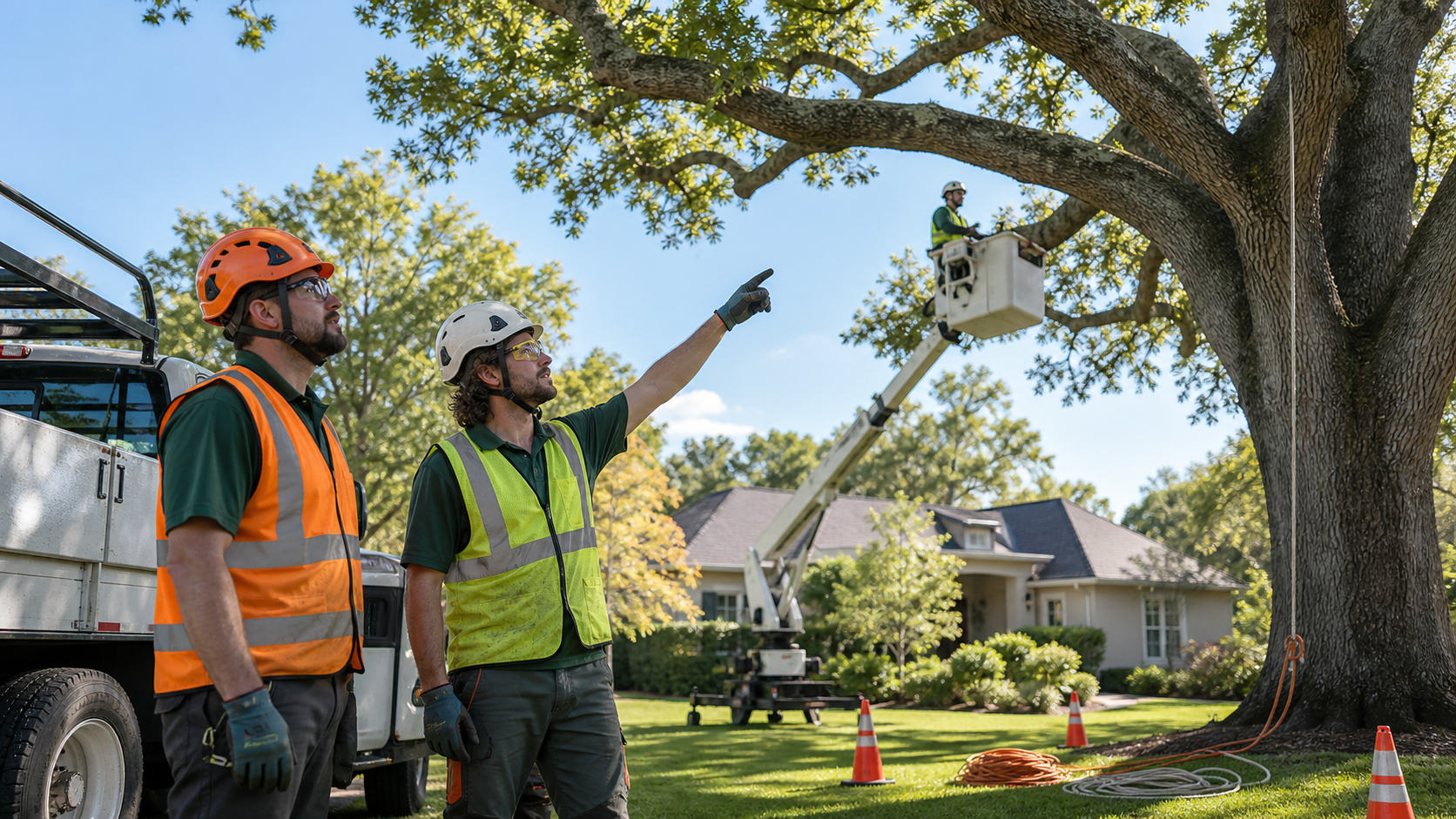
Early spring in Sioux City marks the return of outdoor yard work for many homeowners. As snow melts and temperatures rise, we finally get a good look at what winter left behind. Some trees bounce back easily, but others show signs of damage and need some help. One of the more important tasks at this time of year is checking for broken or weakened branches that could become safety hazards. Planning ahead for safe and timely tree limb removal is a smart way to protect people, property, and the overall health of your trees.
Winter freeze-thaw cycles often leave cracks or stress points on limbs that aren’t visible right away. When the wind kicks up or the next big storm rolls through, those hidden signs of damage can turn into real risks. So before leaves fill out and greenery hides the problem, it’s a good time to focus on what needs to go and how to do it safely.
Understanding Why Limb Removal Matters
Not every branch lasts forever. Over time, limbs grow heavy, get damaged, or start leaning in directions that put stress on the tree. If we leave a weakened or dead limb alone, it might fall during a storm or even on a calm day with no warning at all. That kind of fall can injure people, damage roofs or fences, or leave a tree more vulnerable to insects and decay.
Strong tree structure comes from balanced growth. Removing select limbs helps:
- Reduce strain on the trunk and nearby branches
- Improve airflow and sunlight under the canopy
- Prevent rubbing or crossing limbs from causing wounds over time
Spring is a good season for this kind of work because branches are easier to see before trees are full of leaves. Cuts made now have time to start healing while the tree is waking up for the season.
Knowing When a Tree Limb Should Be Removed
Some problems are easy to spot, but others take a closer look. Here are a few signs that a limb might need to come down:
- Cracks or splits in the wood
- Branches hanging lower than normal or without full attachment
- Limbs rubbing on siding, roofs, or gutters
- Branches that press into power lines or lean toward windows
Sometimes the signals are seasonal. If a tree went through a heavy snow load or strong winds, look for stress points left behind. Freeze-thaw weather in Sioux City often pushes water into small cracks, then expands it, which makes splits worse over time. If you’re unsure after a winter storm, that’s a good time to check or bring in help for a second opinion.
How to Prepare Your Property Before Limb Work Begins
Getting ready for limb removal doesn’t just help us work faster, it helps keep everyone safer once the cutting begins. Here’s what we recommend doing ahead of time:
- Move furniture, toys, grills, or vehicles away from the area under and around the tree
- Keep pets and small children indoors while work is active
- Look for anything that may be caught or tangled in the canopy like clotheslines, wires, or seasonal decorations
- Make sure there’s a clear pathway for ladders or equipment if needed
If we’re removing large limbs or branches that hang near structures, having some extra space makes a big difference. It’s easier to work carefully when the ground around the tree is open and clear.
Safety Risks of Doing It Yourself
It’s one thing to clip a small branch with hand pruners. It’s another thing entirely to deal with heavy, high, or rotten limbs. That kind of work comes with risks most people don’t see coming.
- Climbing ladders with tools is risky on uneven ground
- Working near power lines adds electrical danger
- A heavy limb cut the wrong way can fall and cause injuries or major damage
- Poor cuts may tear bark or shock the tree enough to harm future growth
Even standing below a limb while cutting it can lead to misjudged falls. And if a branch is under pressure, it may snap back unexpectedly once a cut is started. For larger jobs, experience and safety gear aren’t just helpful, they’re needed.
Sioux City Tree Co. uses specialized equipment for safe limb removal at any height and offers licensed, insured service to ensure homeowner and property safety.
What to Expect from a Professional Tree Limb Removal
Safe limb removal follows a series of steps that focus on both the tree’s health and safety on the ground. The process usually begins with an inspection of structure and damage.
- Crews look for weakness or decay that might affect how or where a limb breaks
- Equipment like pole saws, ropes, or lifts are used to access the limb without putting pressure on good parts of the tree
- Cuts are made in a way that avoids tearing, usually with smaller lower cuts first to reduce weight stress
- Once the limb is grounded, cleanup follows, often with trimming done on the remaining limbs to balance shape
Proper tree care isn’t just about what comes down. It’s about what’s left behind. A well-handled removal leaves the tree in better shape and reduces future trouble.
Our crew’s advanced climbing techniques, property protection methods, and experience with storm-damaged limbs mean each job is done with maximum safety and care.
Keeping Your Trees Strong Through Spring and Beyond
Planning tree limb removal early allows us to shape strong trees that are safer and better-looking through spring, summer, and even fall. When we manage the heavy stuff before full growth sets in, it gives the tree time to recover and adjust its energy where it’s needed most.
As Sioux City moves deeper into spring, the storms and winds that come later in the season aren’t far off. Getting ahead of the problems now can prevent the need for emergency fixes down the line. It’s all part of setting up your yard for success this year.
After a long Sioux City winter, branches that look damaged or unsafe can pose risks to your yard and property. Taking care of the right limbs early helps keep your trees healthy and your outdoor space safe. Sioux City Tree Co. offers safe and professional tree limb removal no matter how challenging the job may be. We’re here to make sure your trees stay strong, so contact us today to schedule your service.
Frequently Asked Questions
Why is early spring a good time for tree limb removal in Sioux City?
Early spring makes it easier to spot broken or weakened limbs before leaves fill in and hide damage. Removing problem branches now can reduce the chance of a sudden fall during spring winds and storms. It also gives the tree time to begin healing as it starts growing for the season.
How can I tell if a tree limb needs to be removed after winter?
Look for cracks, splits, hanging limbs, or branches that seem loosely attached or are sagging lower than normal. Limbs rubbing against roofs, siding, gutters, or pressing into power lines are also strong warning signs. After heavy snow or strong wind, hidden damage can worsen as freeze thaw cycles expand small cracks.
What is the difference between pruning and tree limb removal?
Pruning usually means trimming smaller branches to shape the tree, improve airflow, and support healthy growth. Tree limb removal focuses on taking down larger, damaged, dead, or hazardous limbs that could fall or cause property damage. Limb removal often requires more planning because of weight, height, and where the limb could land.
How do I prepare my yard before a tree limb removal service arrives?
Move vehicles, patio furniture, grills, toys, and other items away from the area under the tree. Keep pets and children indoors during the work, and clear a safe path for ladders or equipment. Check for things in the canopy like clotheslines, wires, or decorations that could get caught.
Is it safe to remove large tree limbs myself, or should I hire a professional?
Small, low branches can be manageable with basic tools, but large or high limbs can be dangerous. Cutting near power lines, using ladders on uneven ground, and dealing with heavy or rotten wood can lead to serious injury or property damage. A professional has the training and equipment to control where limbs fall and avoid tearing bark or harming the tree.
Leave a Reply